Y&Y
Y&Y
Y&Y
Y&Y

The goal of this project was to turn incoming traffic into paying users and keep existing users longer by automating routine SEO work.
About Semrush
Semrush is a leading SEO and digital marketing platform with 28M users worldwide
Context
Semrush is complex. Less experienced users sign up, can't cope and leave, so trial-to-paid conversion was low. They needed value fast, without a deep dive.
The business saw potential in this cohort: an MVP now, a scalable product later.
Deadlines were tight, so I relied on planning, close collaboration with the team, focus and proactivity.
Team and my role
Discovery
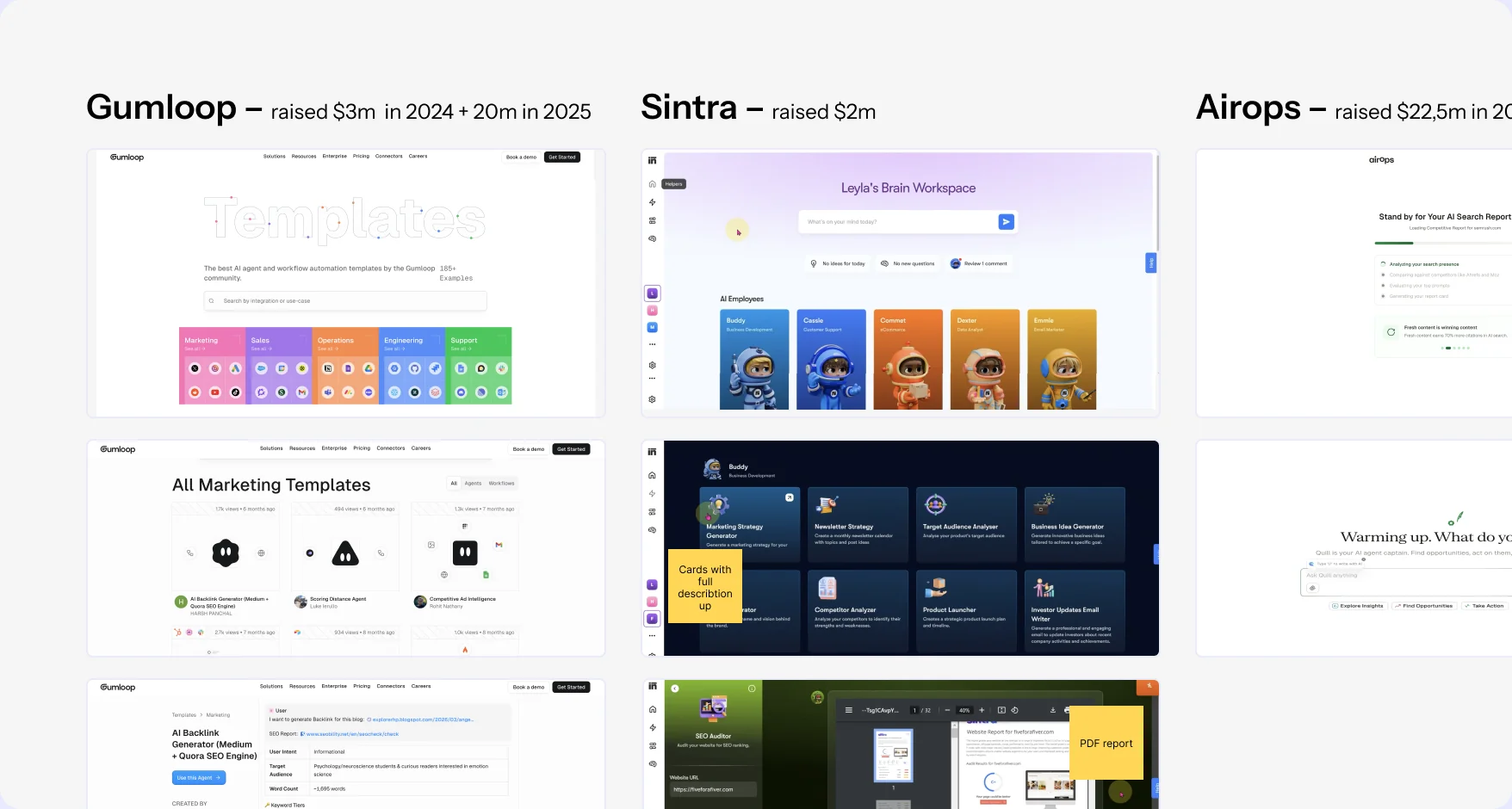
Market trends and AI workflow tools: AirOps, Gumloop, Sintra, Moonlit, Tofu, Vellum.
Expert interviews and LinkedIn content on how SEOs work.
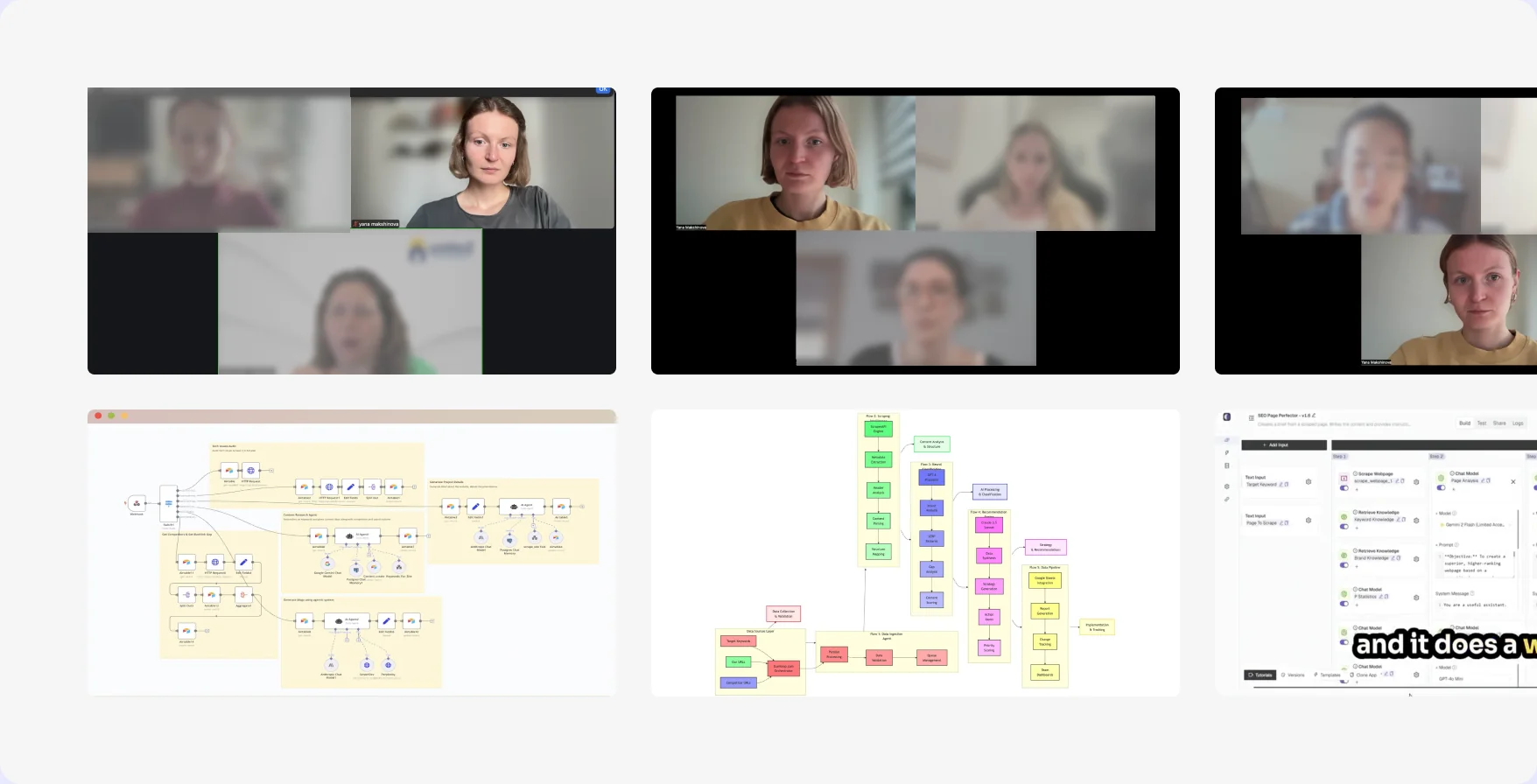
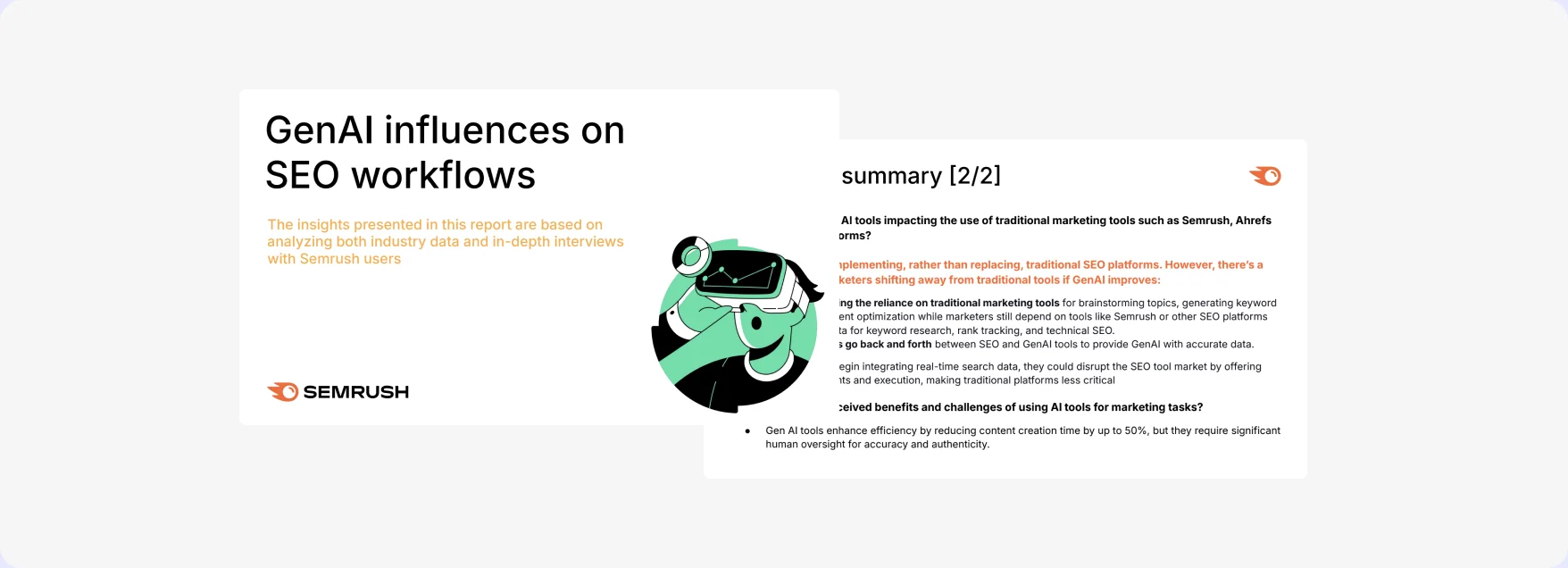
Interviews with full-stack marketers showed the gap: they took data from Semrush and did the work in GenAI tools. The opportunity was to bring that work into Semrush.
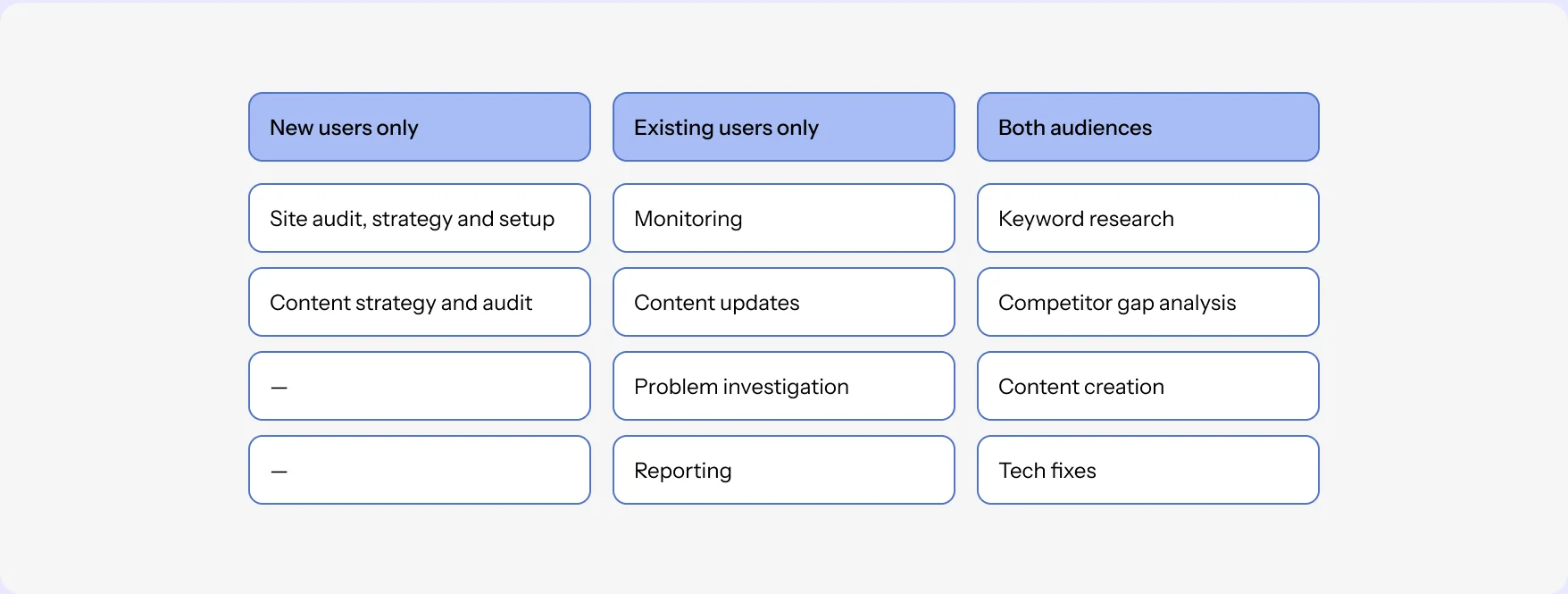
Task mapping
Existing users want to automate routine. New users need a ready strategy.
Developing solutions
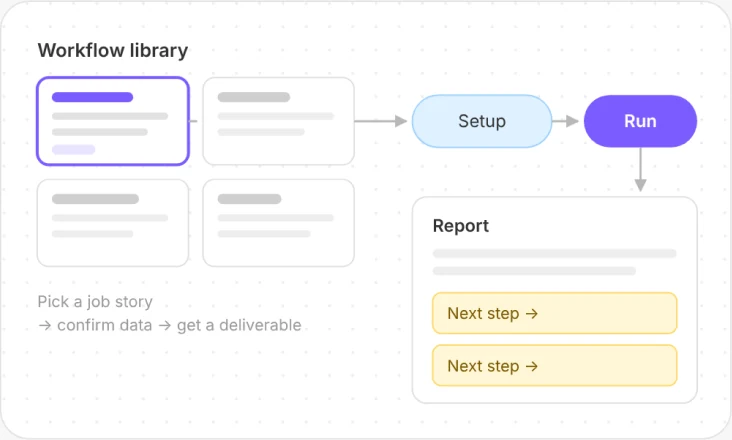
Description
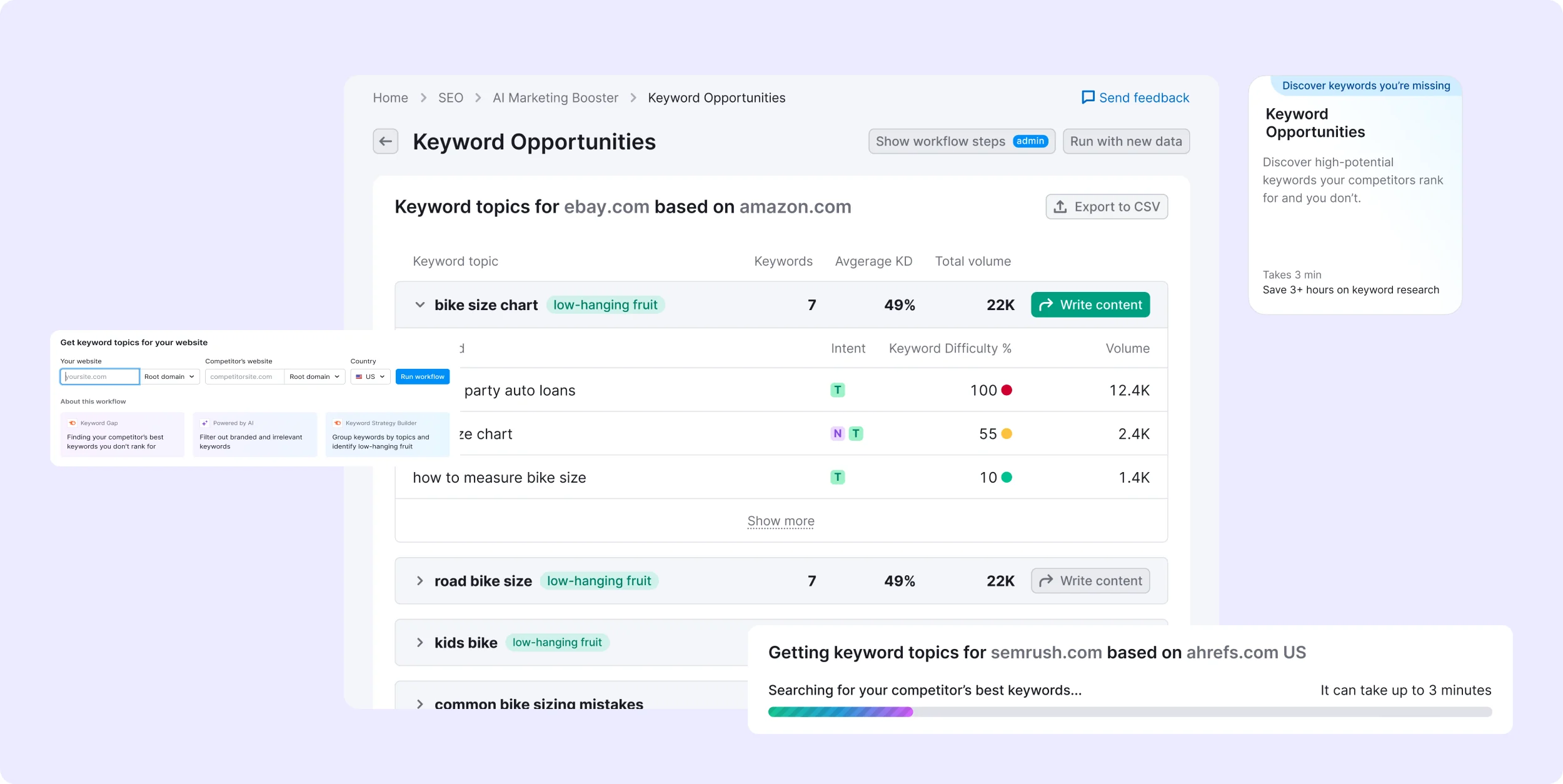
A library of predefined workflows, each solving one popular job story end to end. The user picks a job, confirms the data, and gets a ready deliverable with next steps.
Positives
Negatives
Complexity
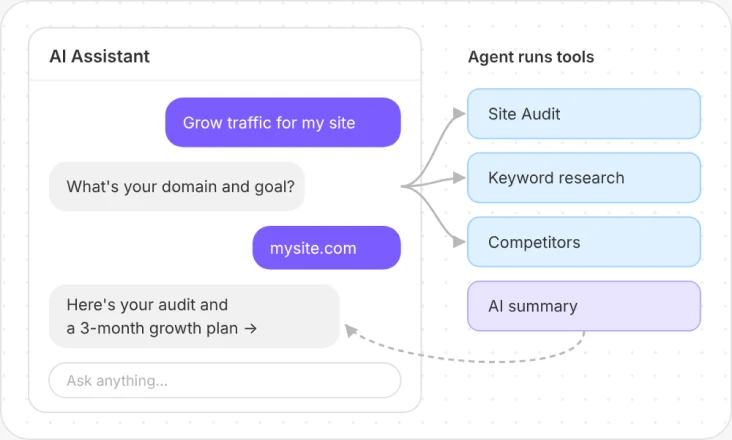
Description
The user describes a goal in chat. The agent asks clarifying questions, runs the right Semrush tools in the background and returns the result in the conversation.
Positives
Negatives
Complexity
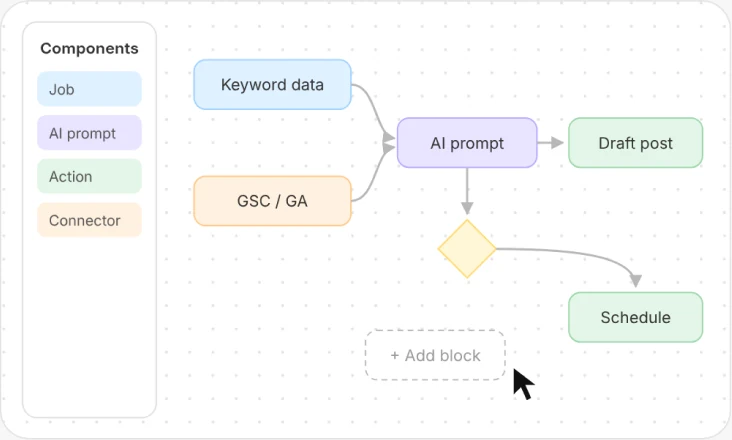
Description
A canvas where users build and edit their own workflows from blocks: jobs, AI prompts, actions and connectors to Semrush tools and external data.
Positives
Negatives
Complexity
Fastest way to validate demand, works for beginners, and keeps output predictable.
The Assistant (Option B) was planned as an additional entry point for the future.
The canvas (Option C) was set aside because of complexity, and custom workflows were postponed.
Prioritization
The task map gave many candidates. To pick the first three, every job had to pass three filters:
| Filter | Why it matters |
|---|---|
| Done at least once a month | Gives users a reason to come back |
| Takes a specialist 2–4 hours | Time saved is visible from the first run |
| Judgment AI prompts can replace | Automation adds value beyond the data |
Selected: Keyword Opportunity, Backlink Opportunity, E-E-A-T Assessment.
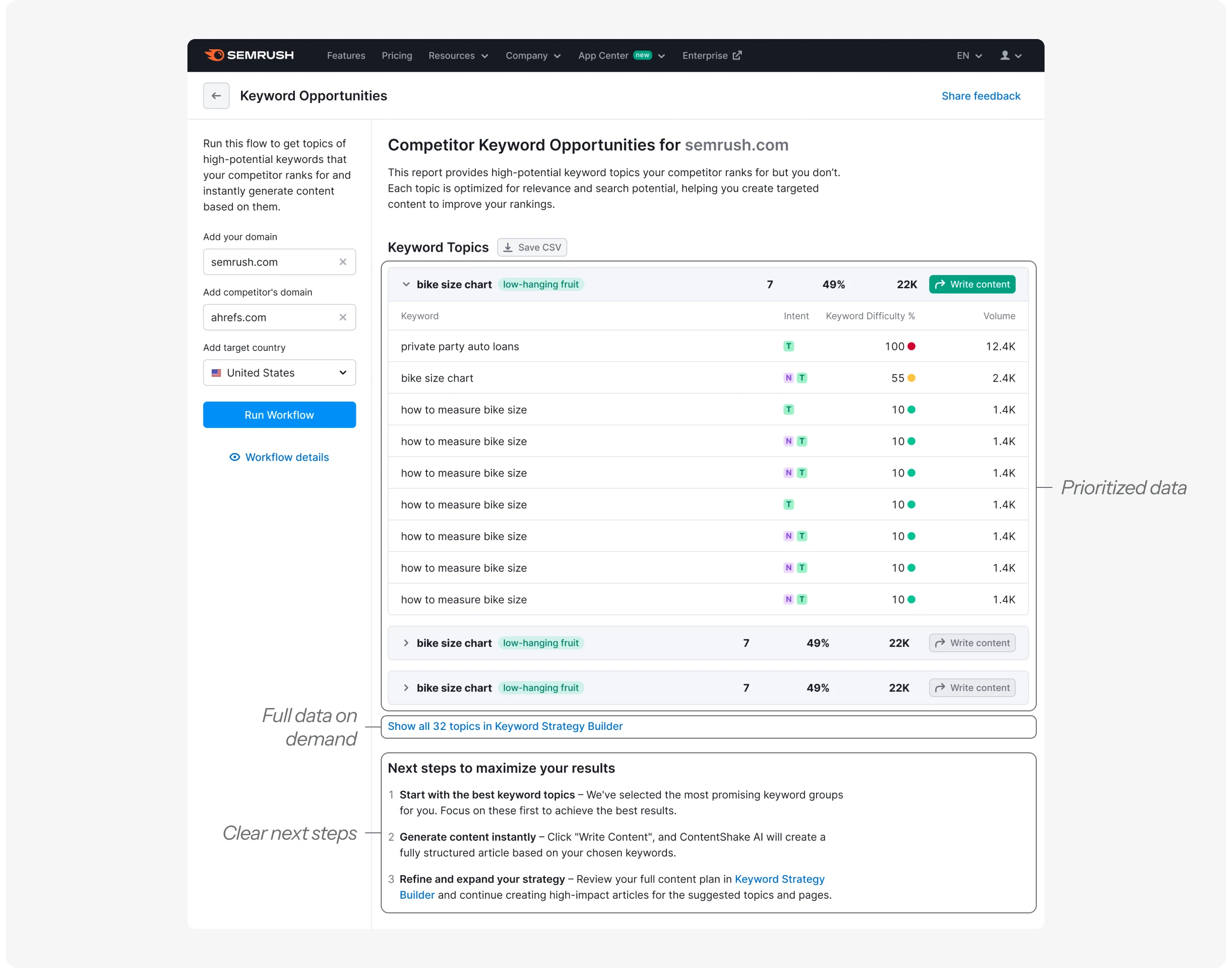
Interviews
The first version simplified existing Semrush tools. 5–6 experienced SEO specialists tested a raw product. Keyword and Backlink Opportunity repackaged data they had seen, and their own setups were faster. Only E-E-A-T, with hard-to-find data, landed.
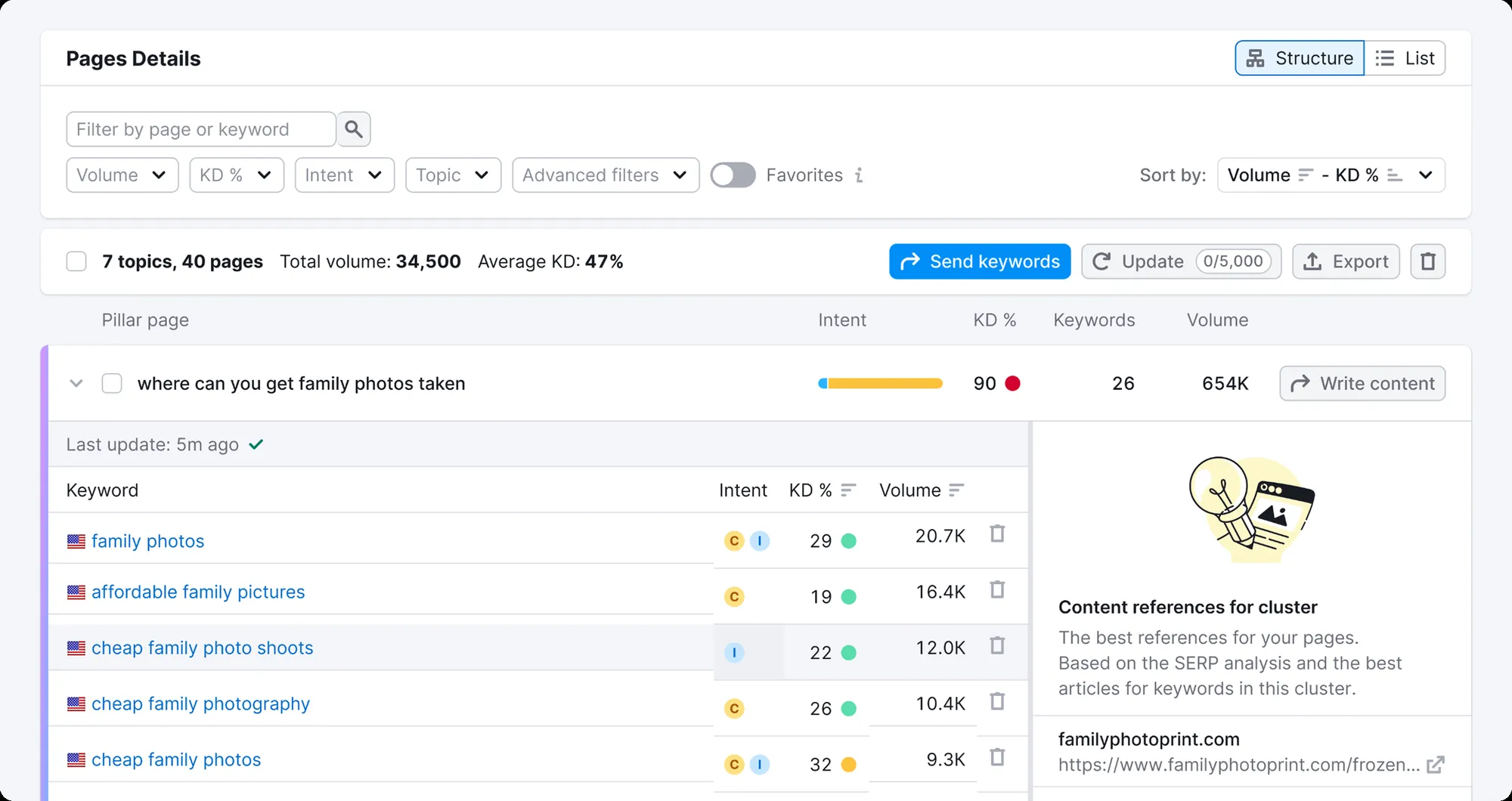
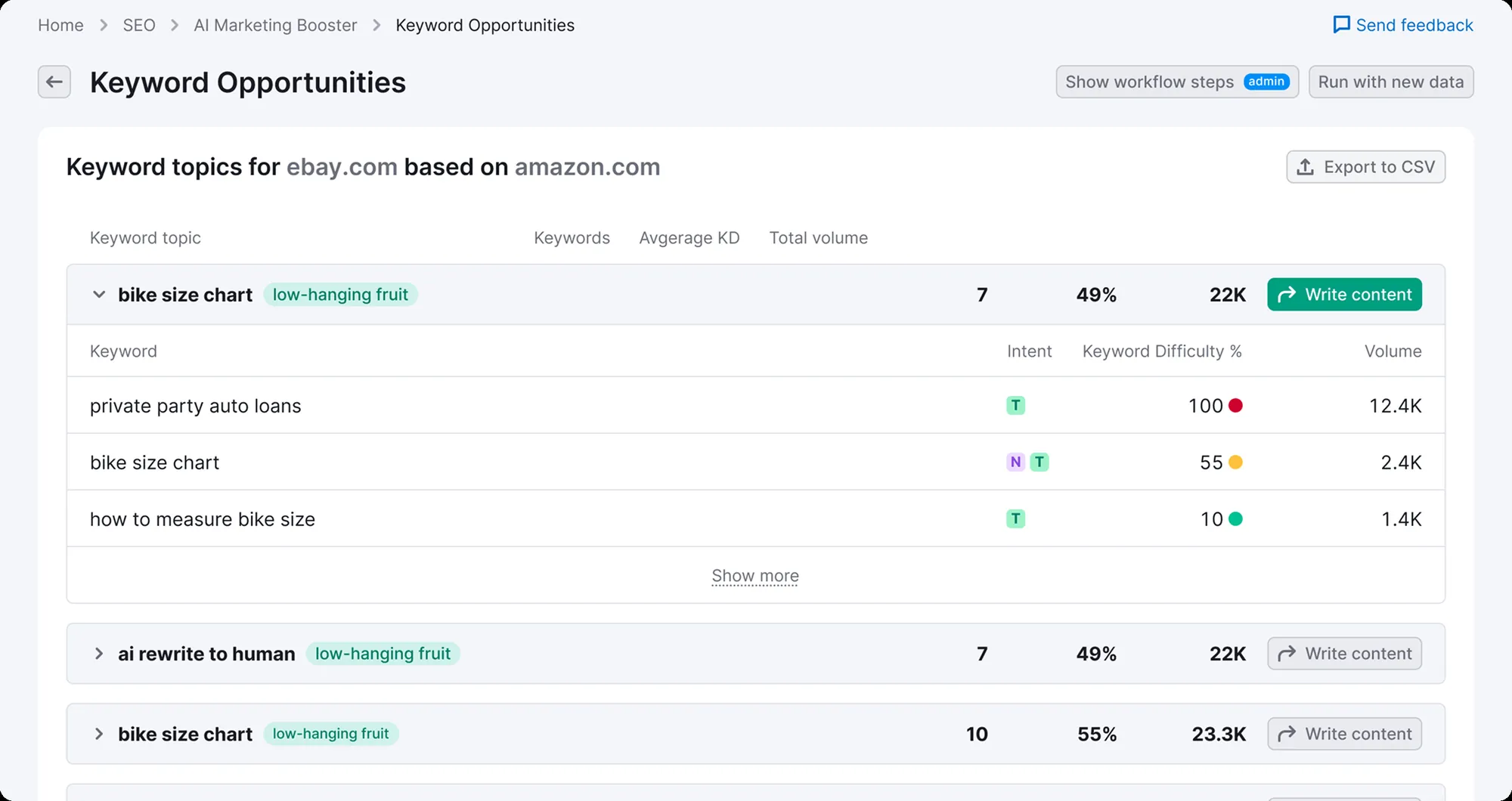
Turn
Working SEOs already know Semrush. I argued the real target is business owners and beginner freelancers who do everything at once, with no SEO focus.
10 interviews, 3 SEO and 7 non-SEO users.
9 of 10 saw AI workflows as a natural fit for Semrush. Two questions kept coming up: “What happens after Run?” and “What do I do now?”
Key Insight
| Principle | Source |
|---|---|
| New data, not repackaged data | Alpha test |
| Transparent and in the user’s control | Global research, interviews |
| Answers inside the interface | Interviews |
MVP
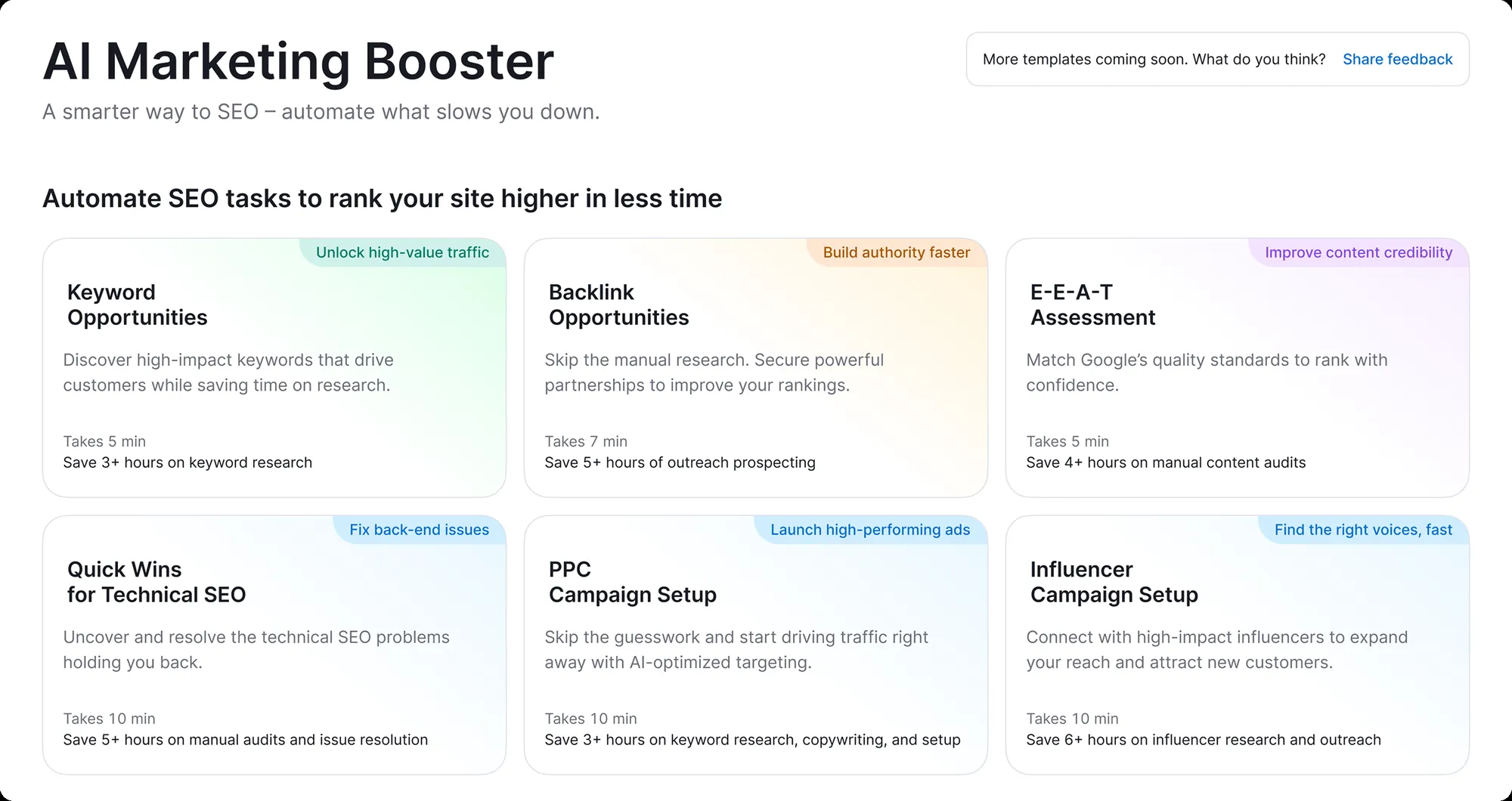
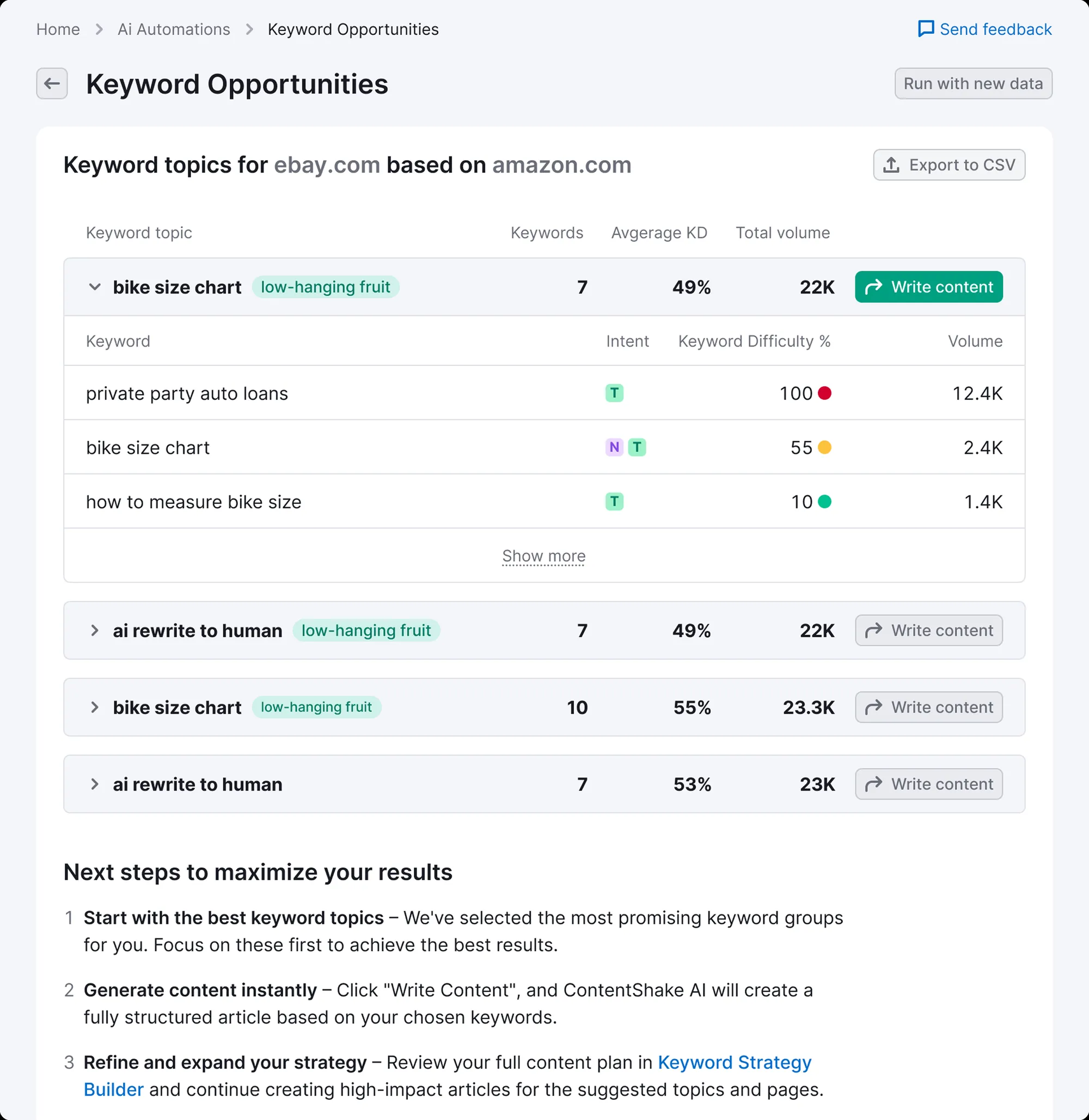
No clear starting point → each card shows the problem, outcome, effort and time saved.
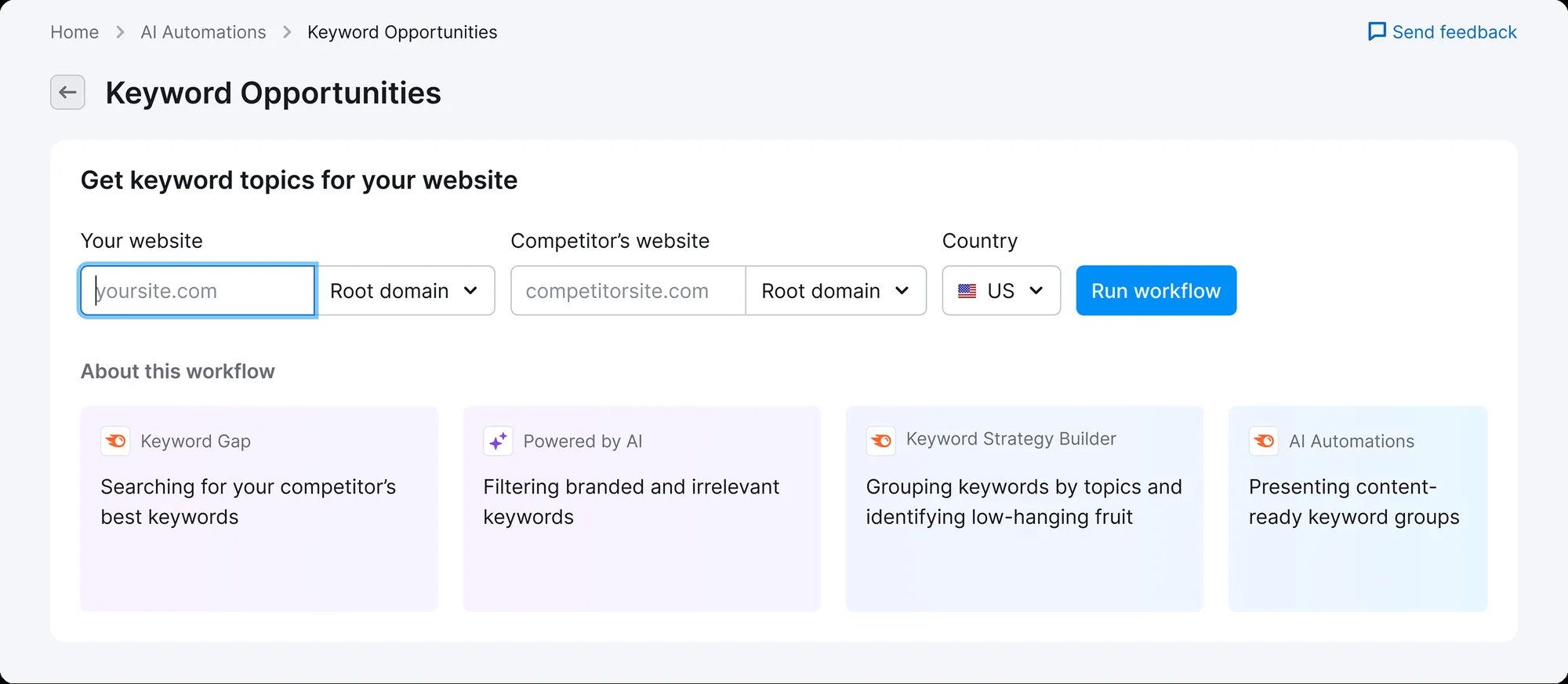
Low trust and “what happens after Run?” → data sources, process and output shown before running.
“What do I do now?” → a ready deliverable with next steps next to the data.
Results
Tested on new sign-ups, with zero marketing.
Monetization
| Workflow | 1st payment | 2nd payment | Why |
|---|---|---|---|
| Keyword Opportunities | + | + | Recurring need |
| E-E-A-T Assessment | + | + | Recurring need |
| Website Audit | + | ± | Agencies, freelancers |
| Winning Content Ideas | + | ± | Needs a valid competitor |
| Tech Optimization | + | − | No reason to run twice |
| Local | + | − | One-time hook |
| Backlink Opportunities | + | − | Few users work on backlinks |
After Launch
The MVP became a repeatable pipeline: idea → MVP page → test on new sign-ups → integration into tools and the AI Assistant. It shaped other AI initiatives at Semrush.
Next Phase
Learnings